
Imajineer Studio
Posts tagged Tropical Design
Notes on architecture, product development and brand work from the studio.
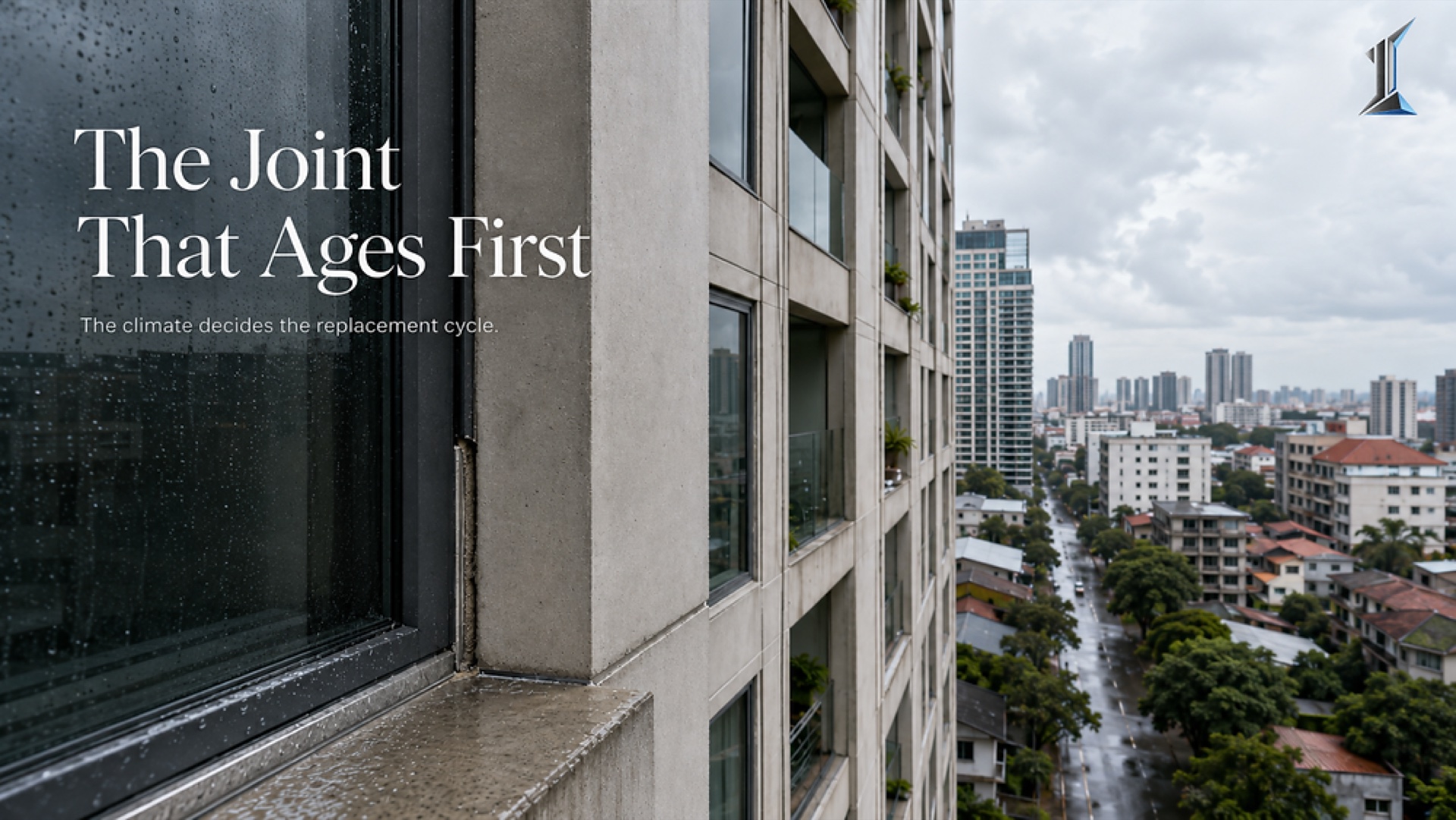
What the Sealant Spec Gets Wrong in Tropical Buildings
The product data sheet says 15 years. The Phnom Penh facade says 7. That gap between what the joint sealant specification promises and what a tropical climate...
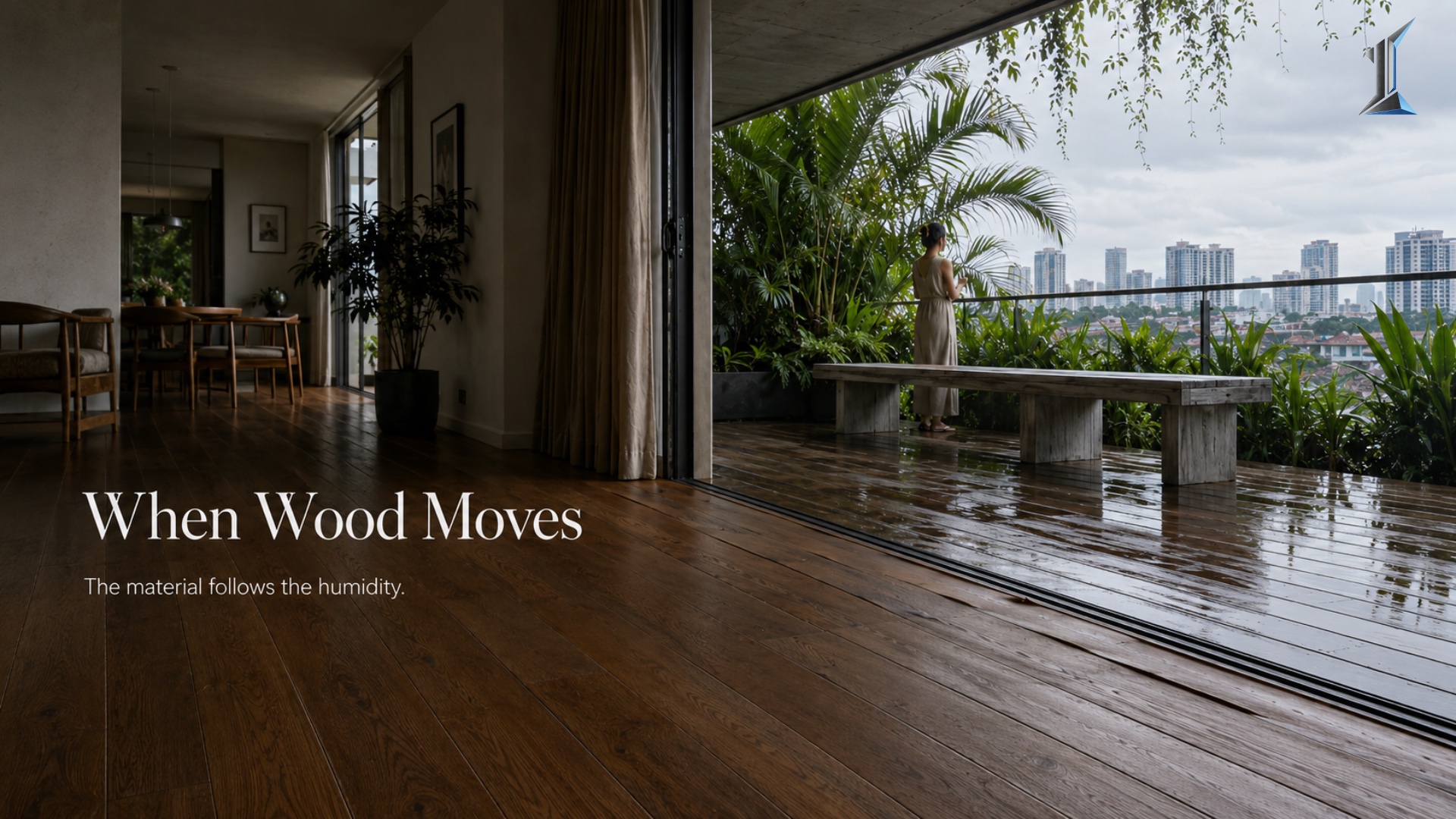
Wood in Tropical Buildings: When It Works, When It Warps
At 80 percent relative humidity, kiln-dried wood absorbs moisture until it buckles. The failure is almost always a specification problem, not a material one...
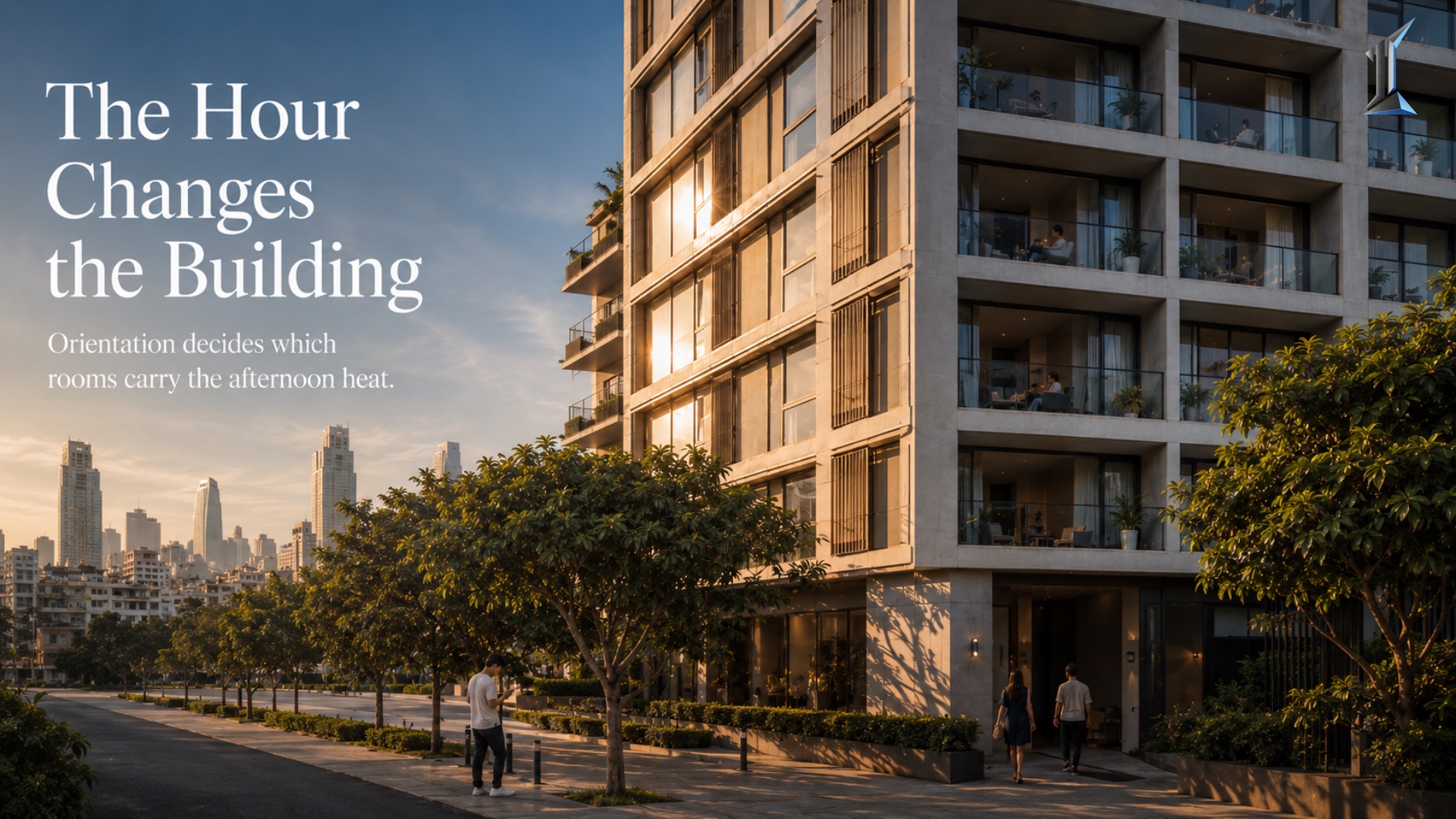
Solar Orientation in Phnom Penh, Hour by Hour
An east-facing unit and a west-facing unit can differ by 5 to 7 degrees indoors at 4:30 PM, with identical layouts and glazing. The variable is the hour, not...

Material Honesty in Residential Architecture
Material honesty is the decision to let a material be what it is, rather than dress a cheaper one in the costume of a dearer one. In Phnom Penh's humidity...

Reading a Building From the Street
After a few monsoons, some buildings grow dark streaks under every sill and parapet while the buildings next to them stay clean. The difference is a groove...

Why Generic Glass Boxes Fail in Cambodia's Climate
A generic glass box presents the same face to all four points of the compass. At 11.5 degrees north, that single decision is where the building starts to lose...

Greywater Recycling in Mid-Rise Residential
Greywater is more than half of what a residential building discharges, and it arrives at almost exactly the volume needed to flush the toilets. Recycling it...
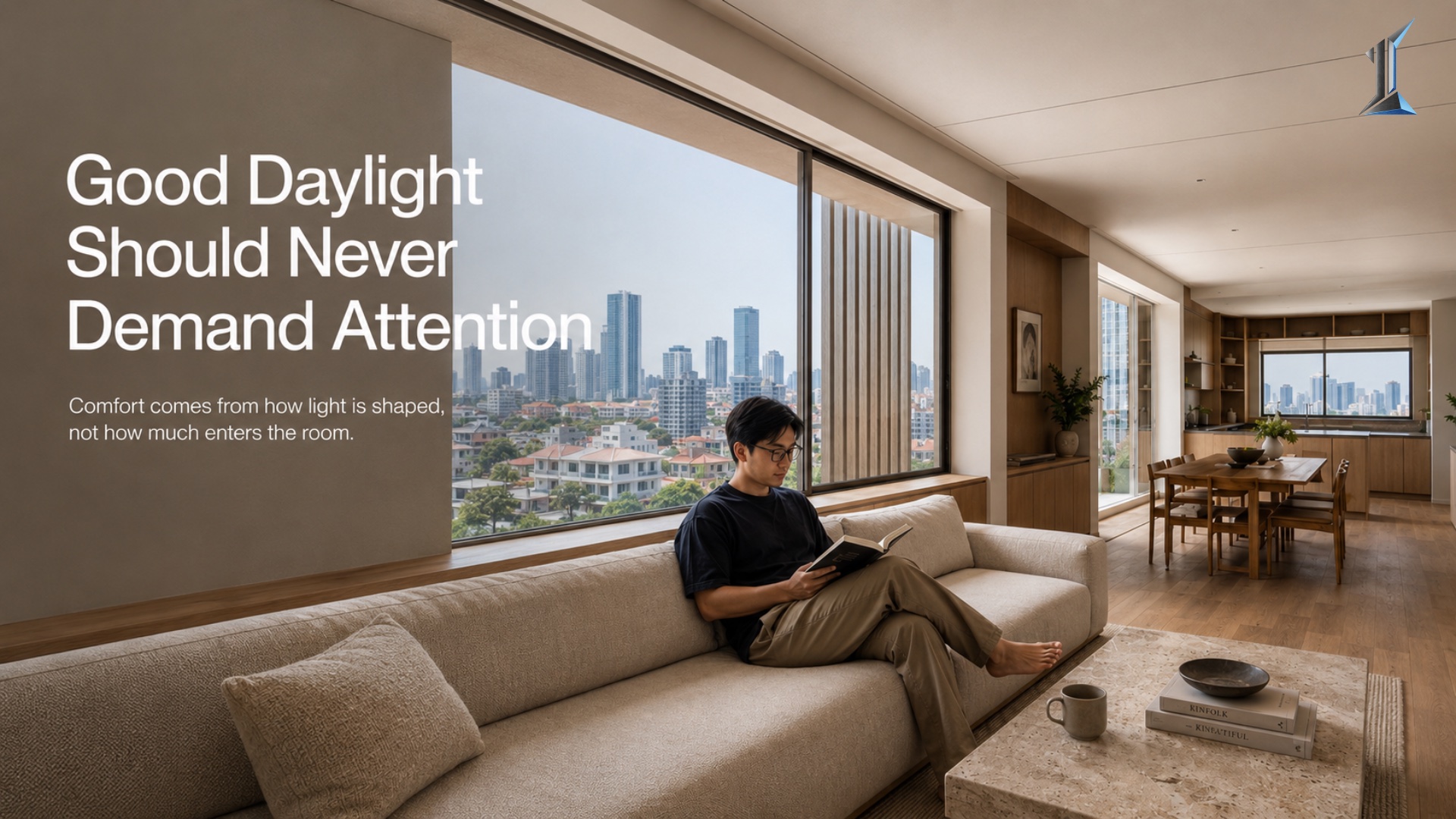
Daylight Quality Versus Daylight Quantity
A light meter reads quantity. It says nothing about glare, color fidelity, or the direction light enters, which are the properties a resident actually feels...

Water Leak Detection as a Maintenance System
A hidden leak runs for an average of 2,000 hours before anyone notices, and in a tropical climate the mold clock starts inside 48 hours. This article anchors...
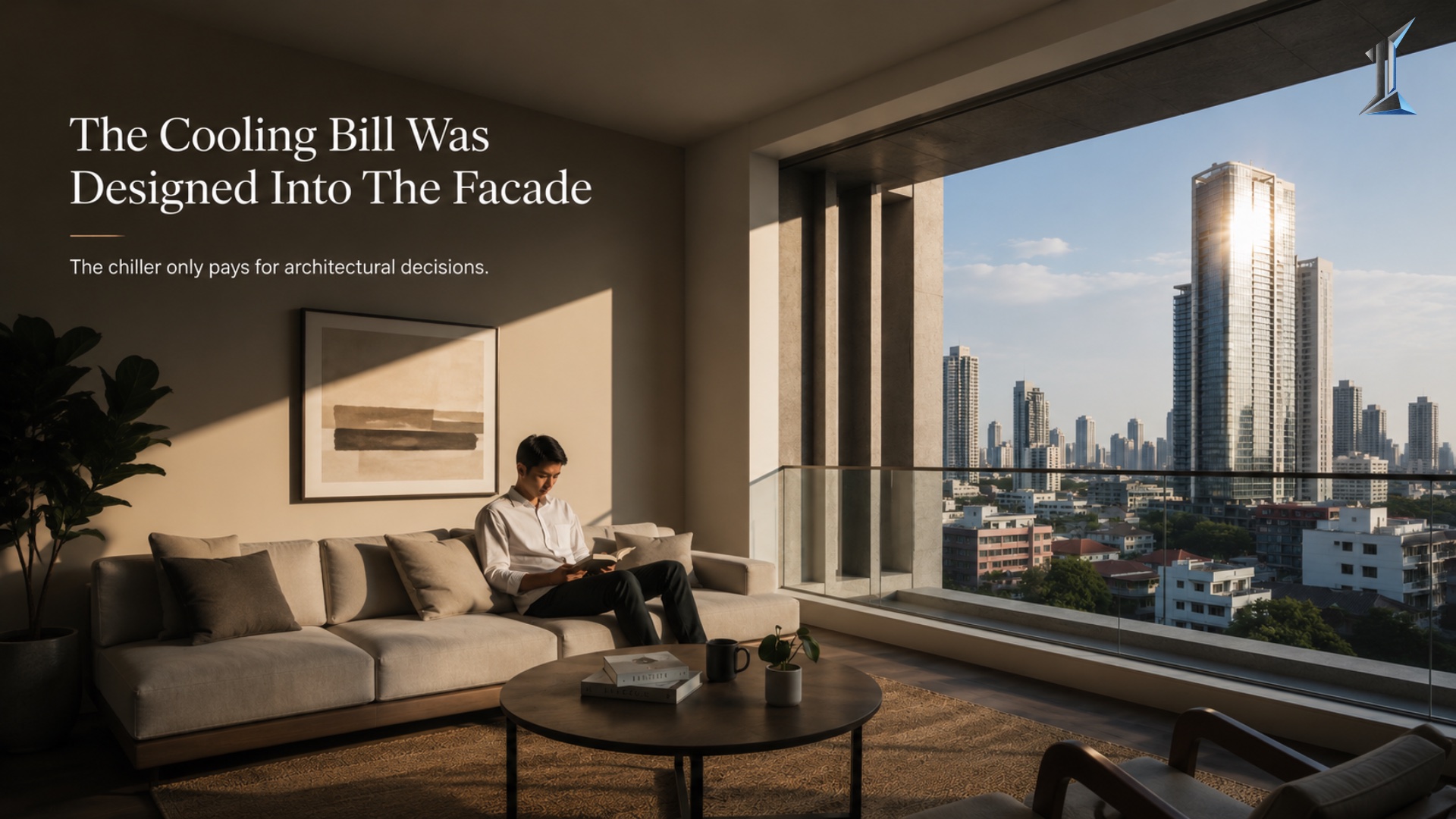
Cooling Load Math: The kWh Per Square Meter Test
The same building in the same climate can run on half the cooling energy or twice the energy, and the difference is set before a chiller is specified. Cooling...

Why Bad Trash Chute Design Ruins Elevators
A 200-unit building generates around 400 kilograms of waste a day, most of it wet organic matter in a hot climate. The chute is simple. The discharge room at...
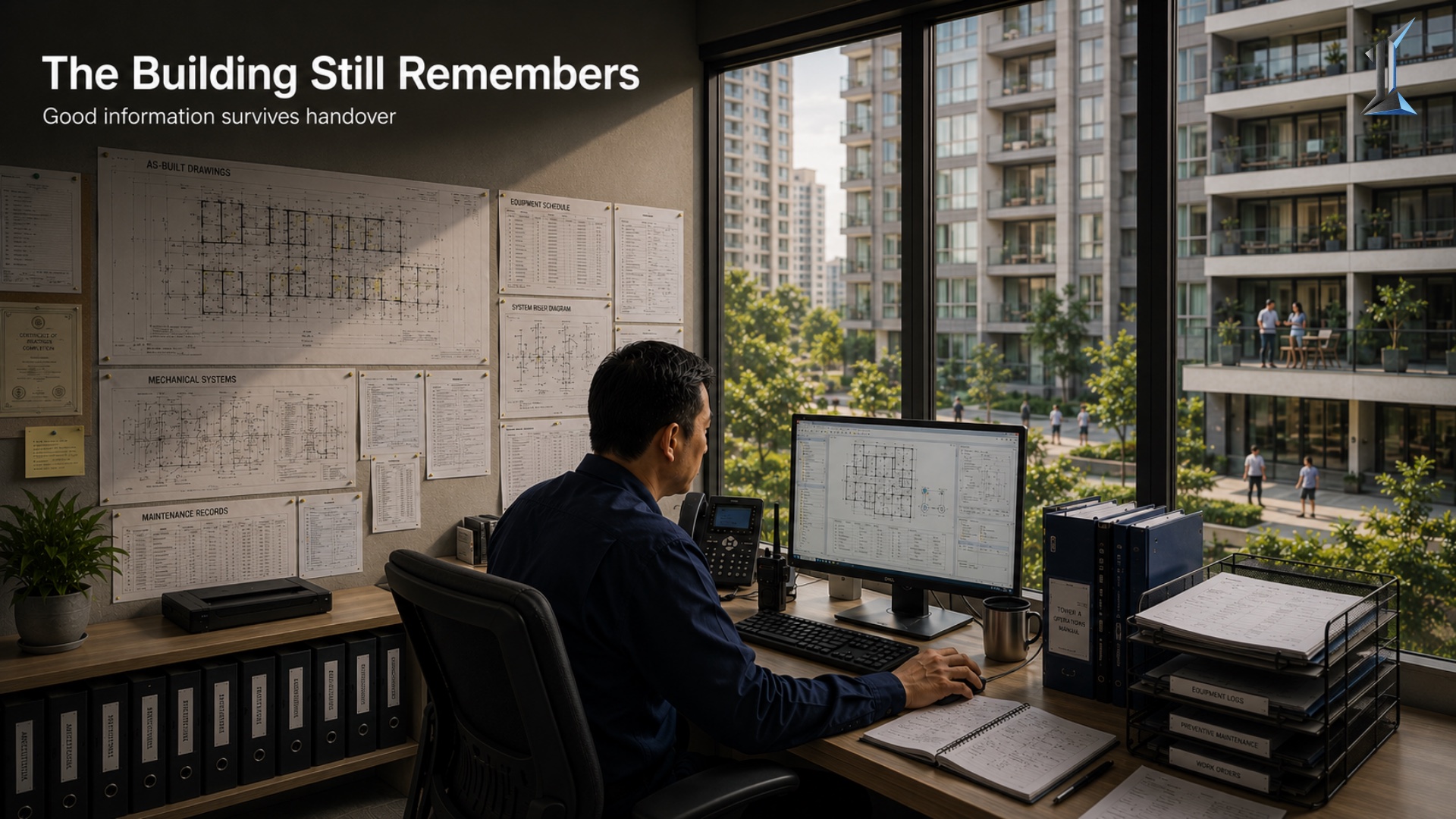
What a Digital Twin for Building Operations Does
A digital twin can cut a building's HVAC energy by 15 to 20 percent, but the value is not created by the software. It is decided at the brief stage, through...
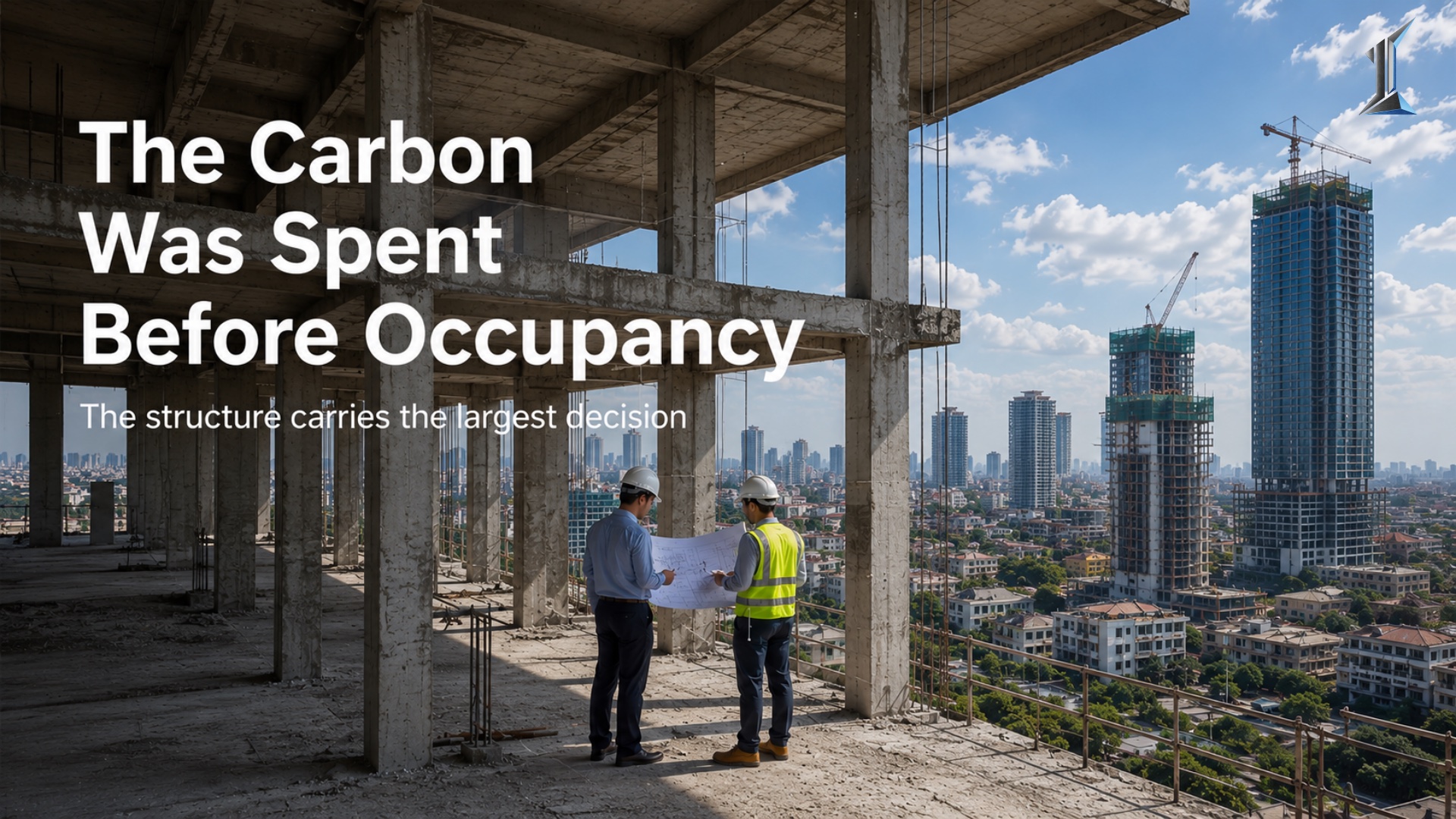
Embodied Carbon Comes Before Operational Carbon
A building emits much of its lifetime carbon before anyone moves in. Operational carbon can be improved for decades. Embodied carbon, the emissions locked into...

Roof Overhang Ratio: Designing for Sun and Rain in a Tropical Climate
architecture, tropical architecture, roof overhang, overhang ratio, solar shading, climate responsive design, passive cooling, roof design, facade design...

What Solar Can Really Do on a Tropical Rooftop
Phnom Penh gets a strong solar resource, so the sun is never the limit on a residential building. The roof is. One roof plate sits above dozens of stacked...

Gaudí First Principles Design and the Tropical Brief
Antoni Gaudí finished only 17 buildings, yet a century after his death he is the most recognized architect of his era. The reason is not decoration. It is a...

Window-to-Wall Ratio in Tropical Residential
A square meter of unshaded glass in Phnom Penh admits several times more heat than the wall it replaces. The window-to-wall ratio decides how much of that heat...

Cleanability Is Decided Before the First Tile Is Laid
Cleanability is usually treated as a housekeeping matter. It is a design decision, settled at the brief stage years before anyone picks up a cloth. Surface...
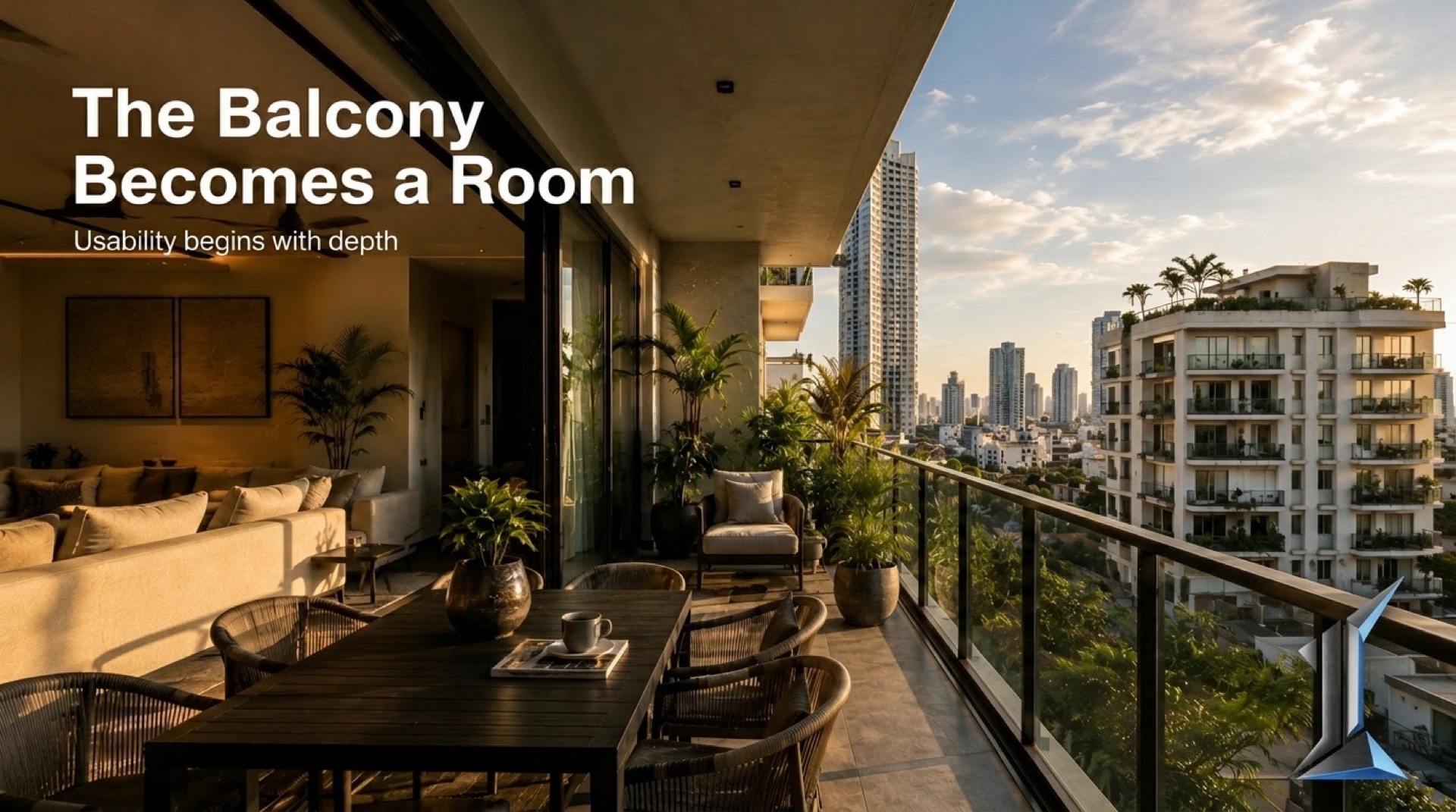
Balcony Depth and the Usable Outdoor Square Meter
A balcony advertised at six square meters can be a usable outdoor room or a decorative ledge, and the floor plan rarely tells you which. The dimension that...

How Tropical Buildings Manage Humidity and Mold
Phnom Penh runs at 77 percent humidity on an average day and 84 percent through September, which puts the climate halfway to the condition that ruins a wall...

Flood-Resilient Architecture for Phnom Penh
Most ground floors in Phnom Penh sit 30 to 45 centimeters above the adjacent sidewalk. A heavy October storm can put 20 to 40 centimeters of water on a street...

What the WELL Building Standard Actually Measures
The WELL Building Standard does something no other major green certification does. It comes to the finished building and tests air, water, light, sound, and...

Ceiling Heights and the Math of 300 Millimeters
Ceiling height is treated as a finish-level choice. It is not. It is a structural decision made at the brief stage, locked before the first elevation is drawn...
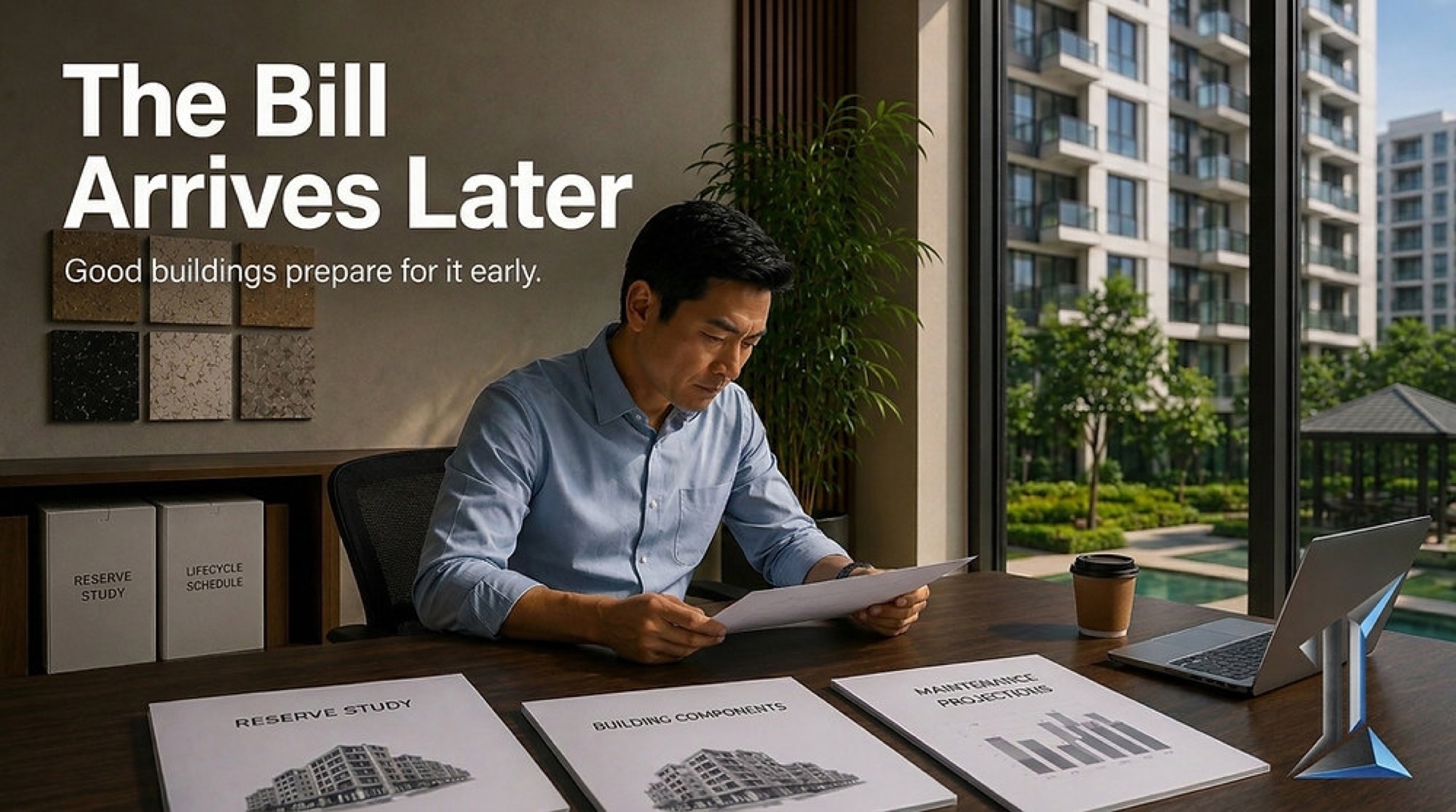
Maintenance Reserves: The Math Developers Skip
Every residential tower carries a maintenance reserve bill that comes due around year twelve. Roof membrane, facade sealants, chiller compressors, elevator...

How the SHGC number decides what tropical glazing actually costs to run.
Glazing is the largest single thermal decision in a tropical building envelope, and the metric that matters is SHGC. Clear single-pane glass admits 84 percent...

The Party Wall STC That Decides Resident Retention
Most condominium party walls in tropical residential construction never reach the STC 50 code minimum. The number sits in the framing details and shows up...

The True Cost of Cheap Finishes in Tropical Buildings
Cheap finishes are not cheap. They are loans the building takes out against future maintenance budgets, and tropical climates accelerate the repayment...

How Tropical Buildings Survive Monsoon Season
A single monsoon event in Phnom Penh can deliver 80 millimeters of rain in under two hours. Most buildings that fail the wet season do not fail at the roof...

The LEED Certification Pathway for Tropical Buildings
LEED v5 went live in April 2025 with a new scoring logic. Half the points sit in decarbonization. A quarter in quality of life. A quarter in ecological...

Resilient Design: How Buildings Are Planned to Adapt Over Time
Resilient design ensures buildings remain functional and relevant as conditions change. This article explores how adaptability, durability, and system planning...

Natural Light and the Architecture of Wellbeing
In architecture, light is often discussed in aesthetic terms. It defines mood, highlights materials, and shapes visual experience. Its deeper impact is less...

Why Wellness Spaces Are Becoming Essential in Modern Buildings
Wellness spaces are no longer just amenities. In modern buildings, they are integrated into daily life through light, airflow, shared spaces, and design flow...

Wind, Airflow, and Natural Cooling in Tropical Cities
In tropical cities, heat is not an occasional condition. It is a constant variable that shapes how buildings are used, how energy is consumed, and how...

Designing With the Sun: Why Orientation Matters in Architecture
In architecture, some decisions are visible. Materials, finishes, and form define how a building is perceived. Others operate more quietly, shaping how the...