
Imajineer Studio
Posts tagged shading
Notes on architecture, product development and brand work from the studio.
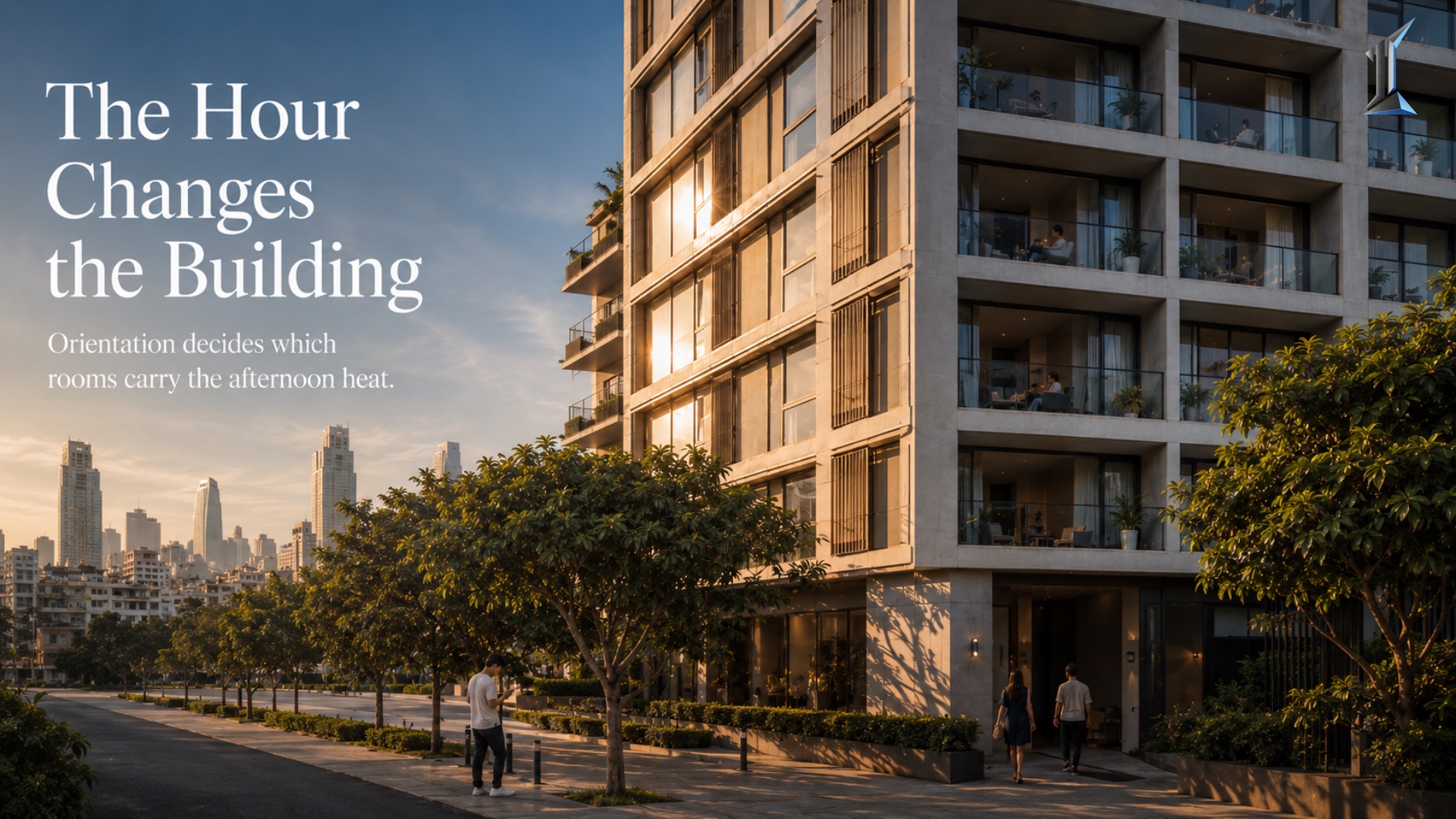
Solar Orientation in Phnom Penh, Hour by Hour
An east-facing unit and a west-facing unit can differ by 5 to 7 degrees indoors at 4:30 PM, with identical layouts and glazing. The variable is the hour, not...
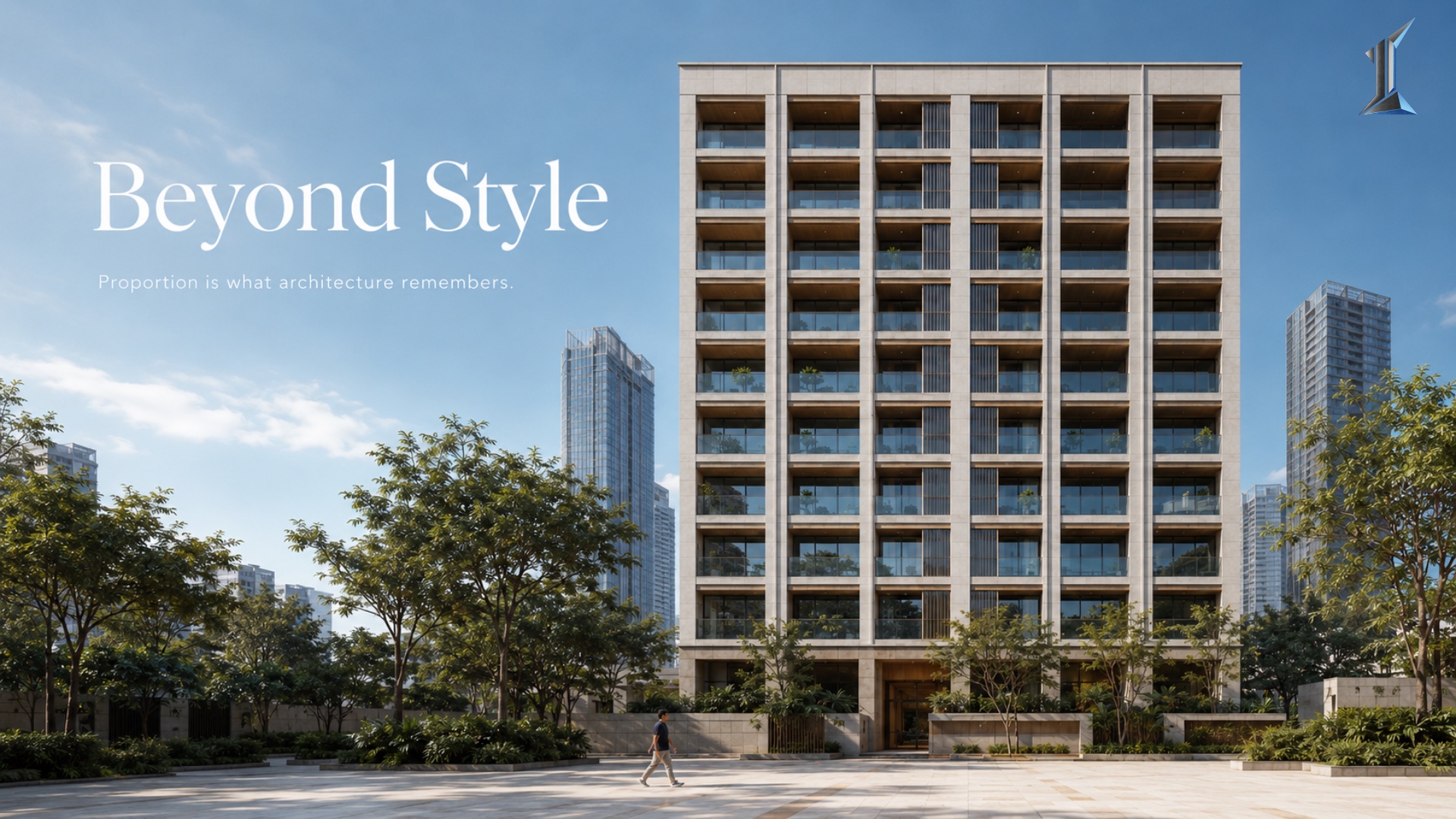
Why Proportion in Architecture Outlasts Style
Proportion in architecture is the ratio between a building's parts, and the eye reads it as right or wrong long before it notices the style. This piece works...
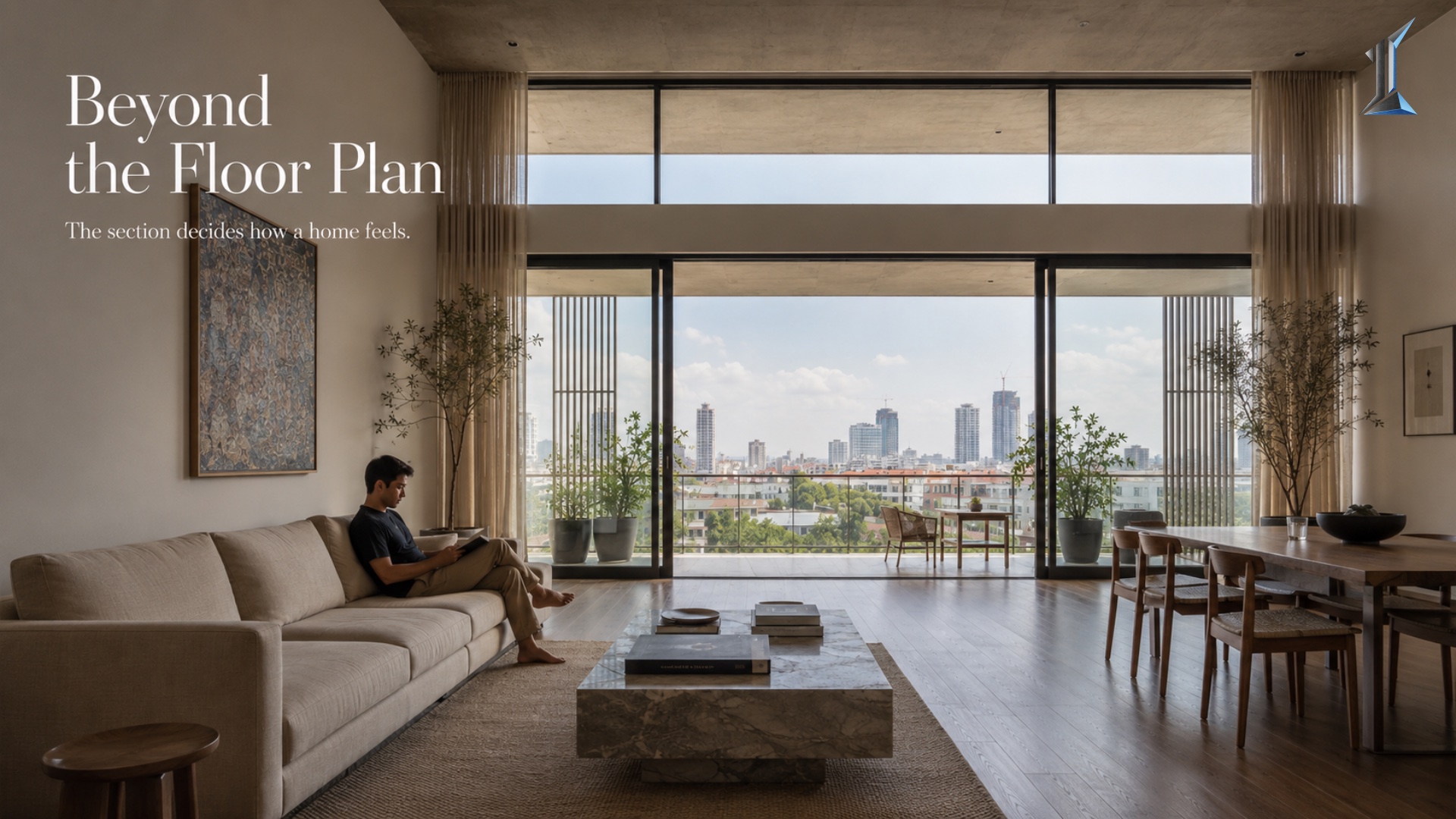
The Floor Plan Persuades. The Section Decides.
Sales galleries hand out floor plans and almost never sections. That is not an accident. The plan carries the square meter count the sale runs on. The section...

Why Generic Glass Boxes Fail in Cambodia's Climate
A generic glass box presents the same face to all four points of the compass. At 11.5 degrees north, that single decision is where the building starts to lose...
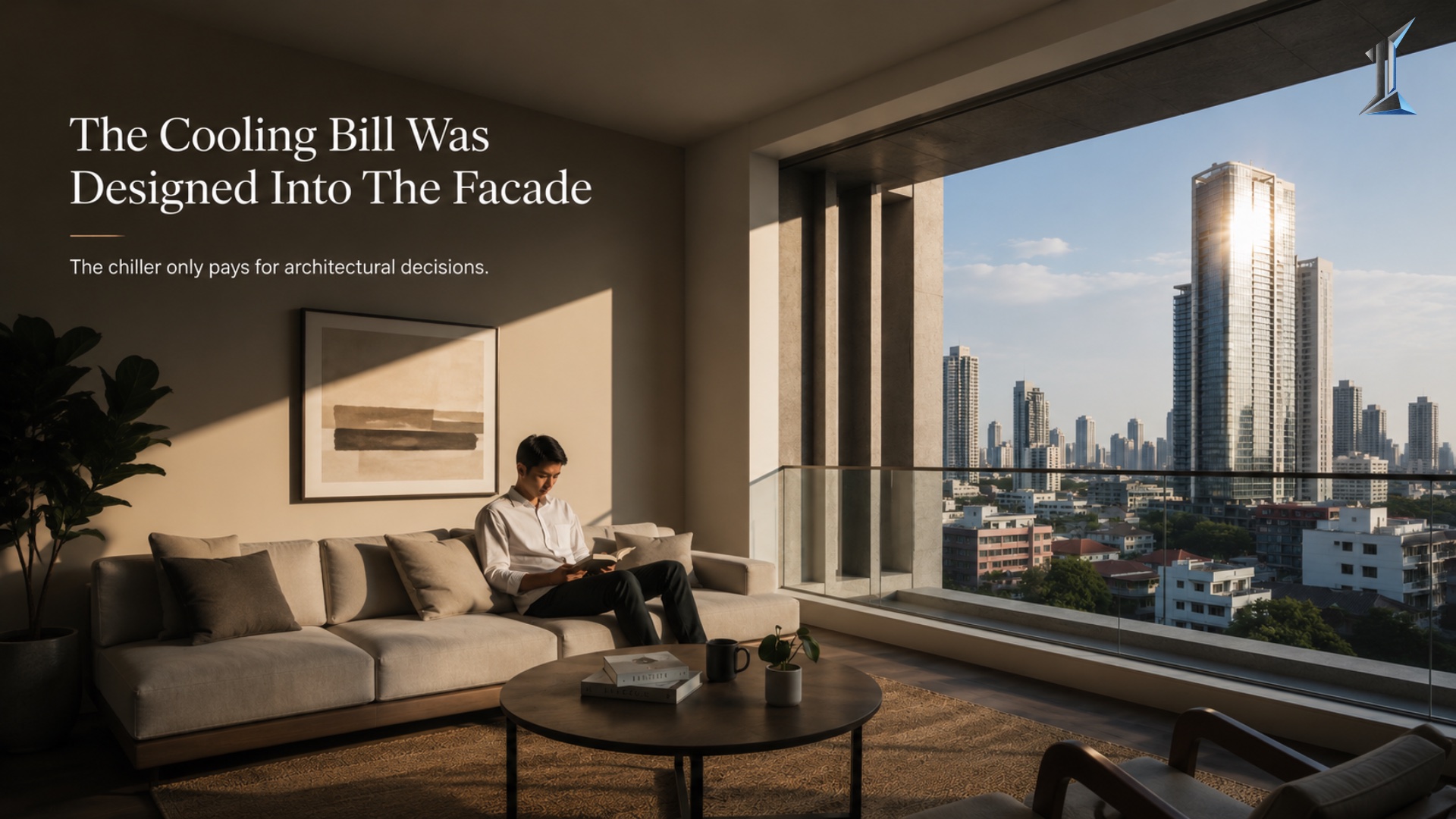
Cooling Load Math: The kWh Per Square Meter Test
The same building in the same climate can run on half the cooling energy or twice the energy, and the difference is set before a chiller is specified. Cooling...

Roof Overhang Ratio: Designing for Sun and Rain in a Tropical Climate
architecture, tropical architecture, roof overhang, overhang ratio, solar shading, climate responsive design, passive cooling, roof design, facade design...
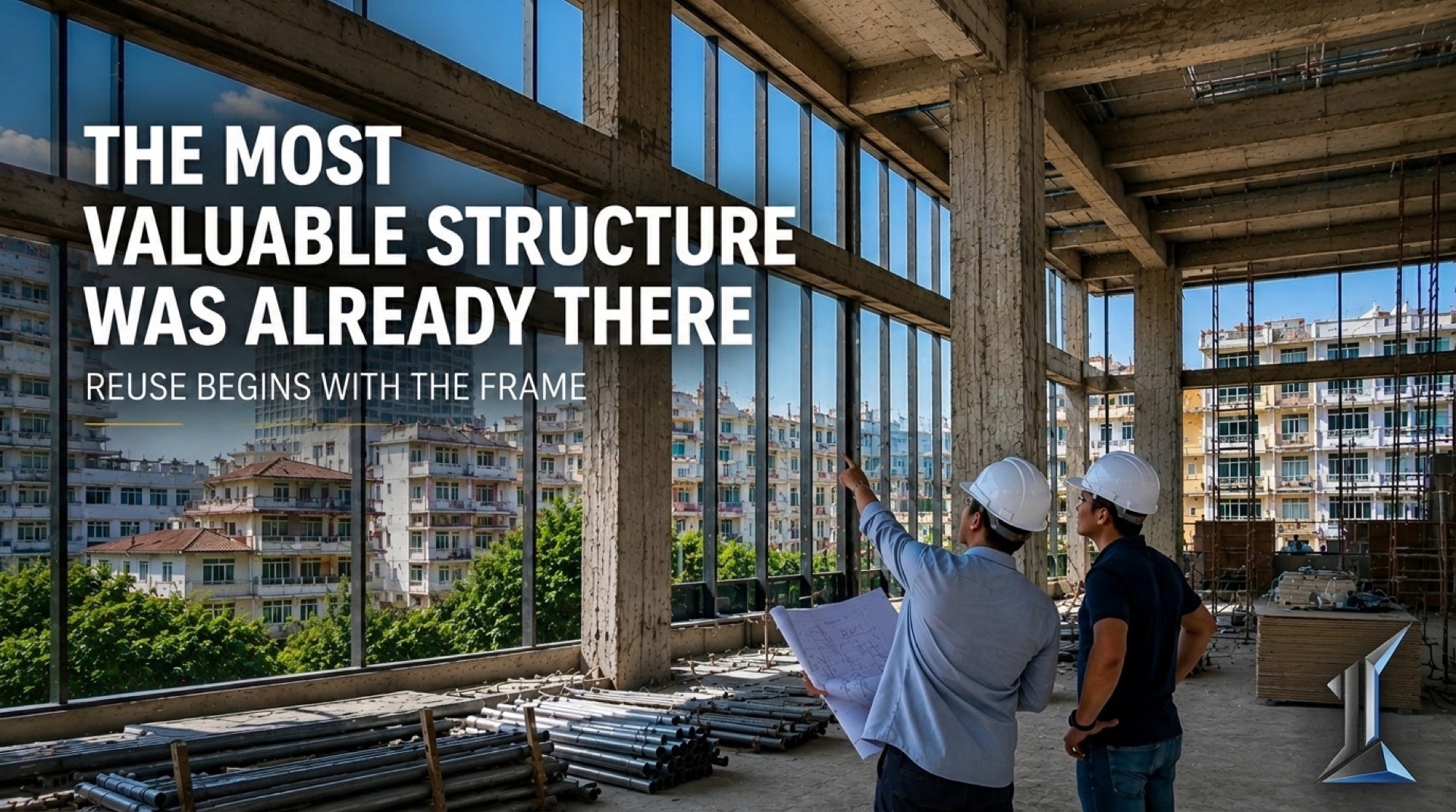
Adaptive Reuse in Phnom Penh: The Structure Math
A reinforced concrete frame holds most of a building's embodied carbon before any finish goes in, which means an existing structure is the most expensive part...

Gaudí First Principles Design and the Tropical Brief
Antoni Gaudí finished only 17 buildings, yet a century after his death he is the most recognized architect of his era. The reason is not decoration. It is a...

Window-to-Wall Ratio in Tropical Residential
A square meter of unshaded glass in Phnom Penh admits several times more heat than the wall it replaces. The window-to-wall ratio decides how much of that heat...

How Tropical Buildings Manage Humidity and Mold
Phnom Penh runs at 77 percent humidity on an average day and 84 percent through September, which puts the climate halfway to the condition that ruins a wall...

How an Architectural Brief Is Actually Developed
An architectural brief, developed properly, takes four to eight weeks and produces a fifteen to thirty page document. Most projects spend ten days on it. The...

The LEED Certification Pathway for Tropical Buildings
LEED v5 went live in April 2025 with a new scoring logic. Half the points sit in decarbonization. A quarter in quality of life. A quarter in ecological...

Resilient Design: How Buildings Are Planned to Adapt Over Time
Resilient design ensures buildings remain functional and relevant as conditions change. This article explores how adaptability, durability, and system planning...

Facade Design Beyond Aesthetics: How the Exterior Controls the Interior
In residential architecture, the façade is often treated as a visual statement. It defines how a building is recognized from the street. It contributes to...

Natural Light and the Architecture of Wellbeing
In architecture, light is often discussed in aesthetic terms. It defines mood, highlights materials, and shapes visual experience. Its deeper impact is less...

Wind, Airflow, and Natural Cooling in Tropical Cities
In tropical cities, heat is not an occasional condition. It is a constant variable that shapes how buildings are used, how energy is consumed, and how...
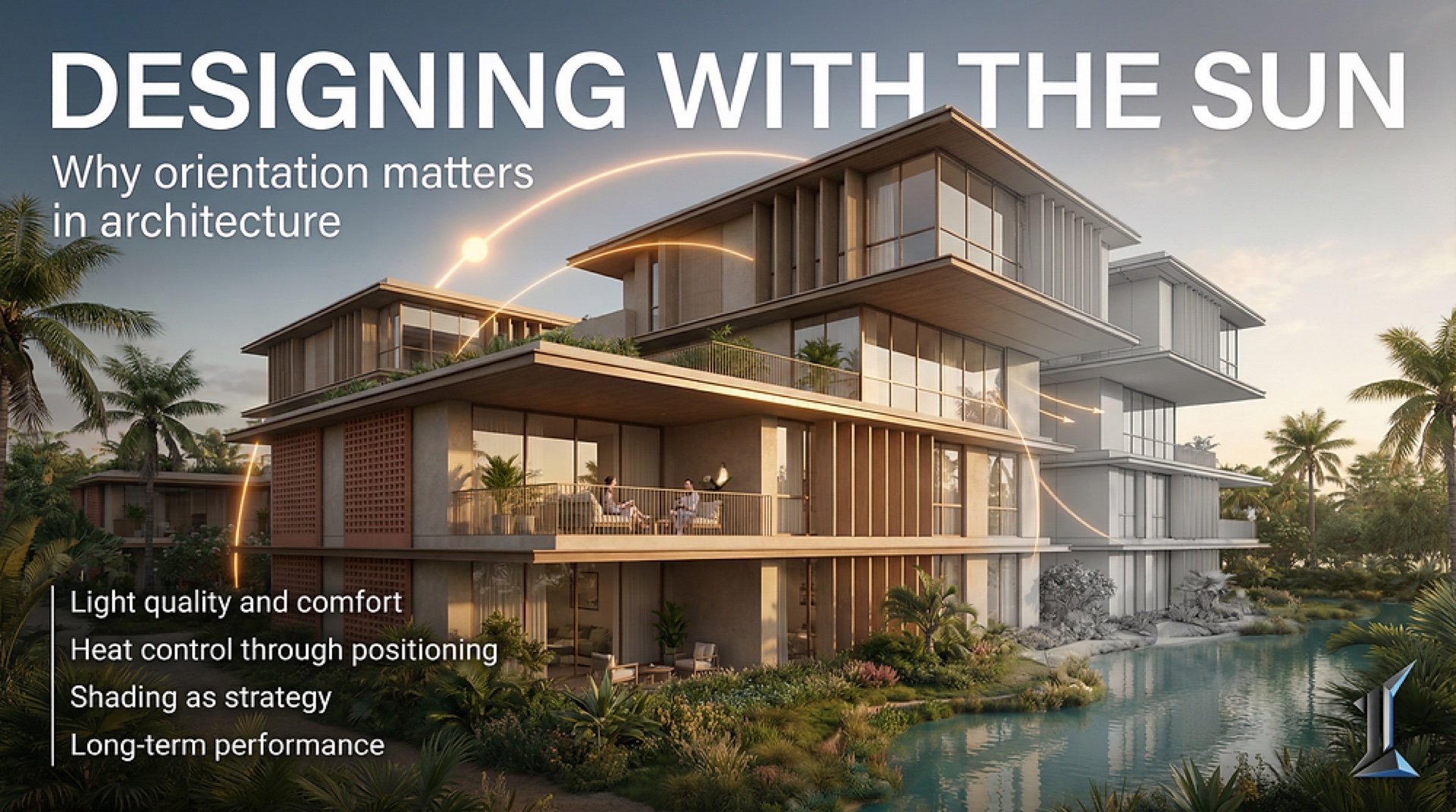
Designing With the Sun: Why Orientation Matters in Architecture
In architecture, some decisions are visible. Materials, finishes, and form define how a building is perceived. Others operate more quietly, shaping how the...